Clay driveway repair
Replacing a Clay driveway? Watch what gets added at the truck
Your Clay driveway is scaling, cracking or sinking, and the repair is only as good as the concrete that goes in. Ask what mix the contractor will order and whether anyone will add water at the site.
Clay driveway job on your list? Booking it here earns $100 off your first job, applied in full at that moment.
From the house to the street
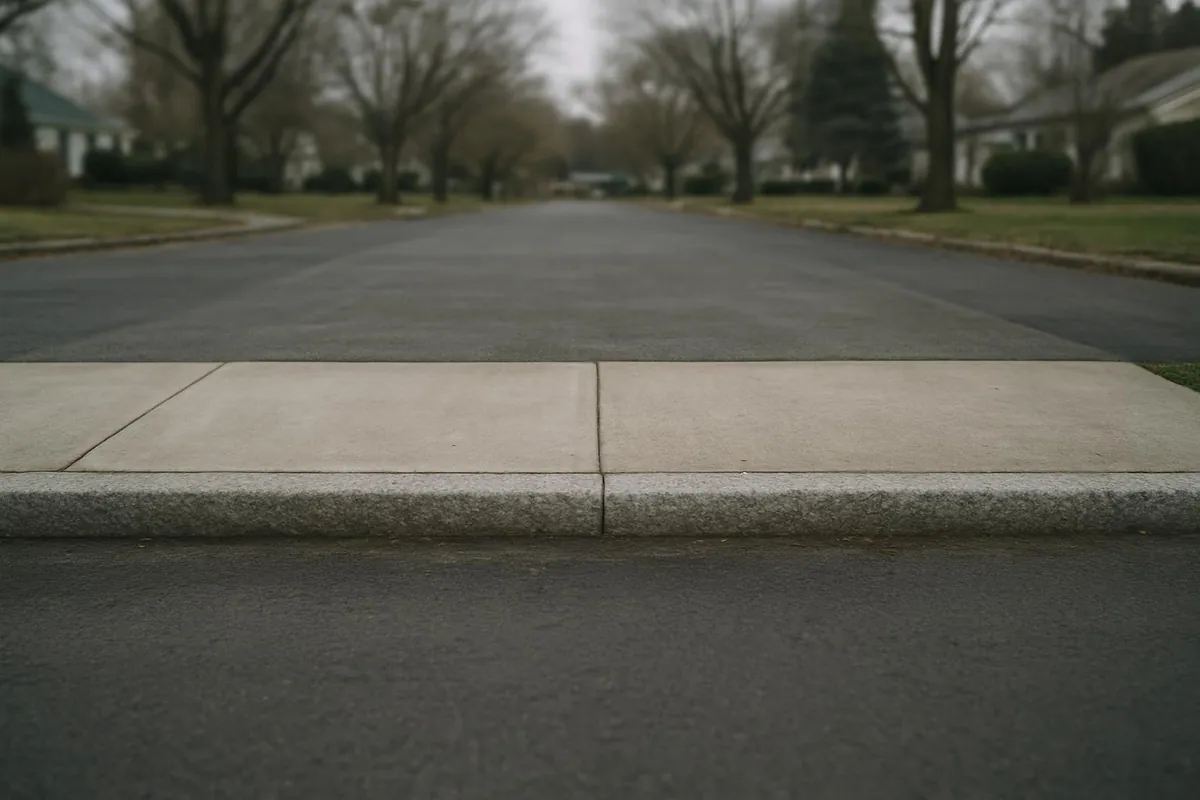
- Garage floorYours
- Steps and walksYours
- DrivewayYours
- ApronYours, with a permit
- Public sidewalkAsk the town
- StreetRoad owner
This fits when
Situations that call for driveway repair work
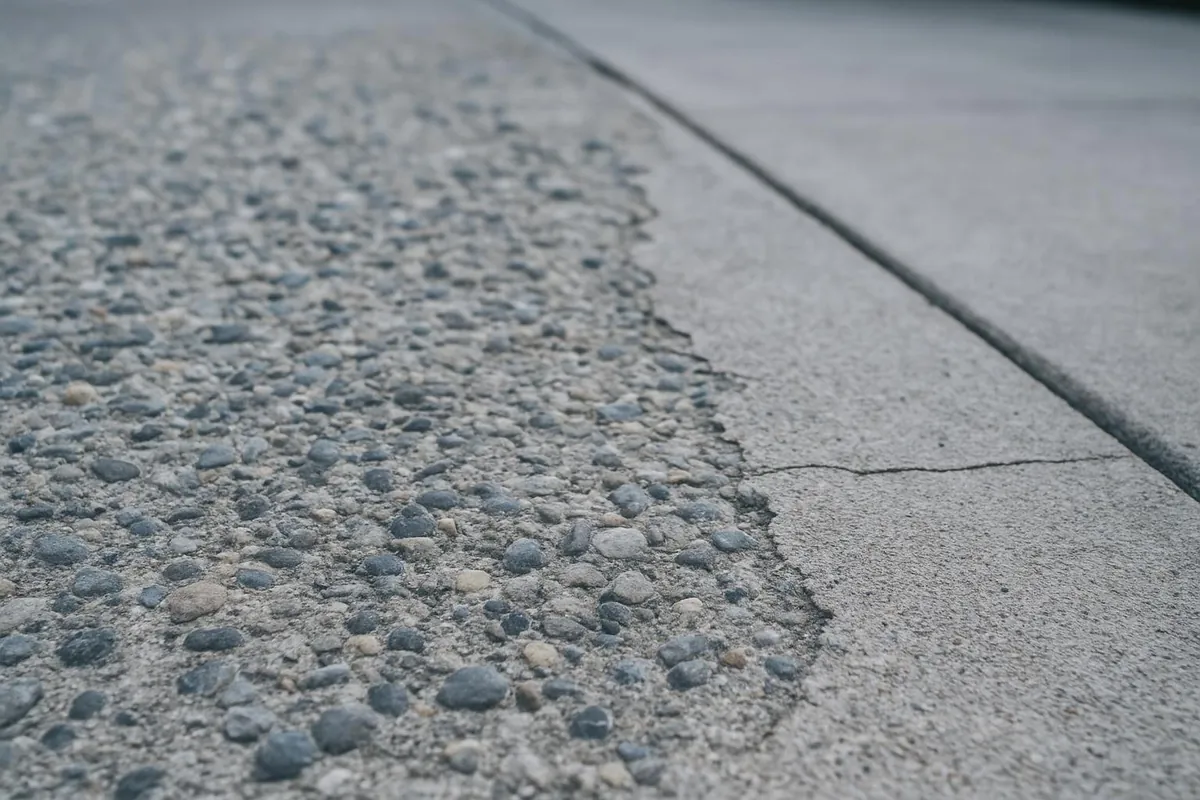
Rough, sandy surface
The cement skin has worn off and stones or sand show through. It feels like coarse sandpaper under your shoes.
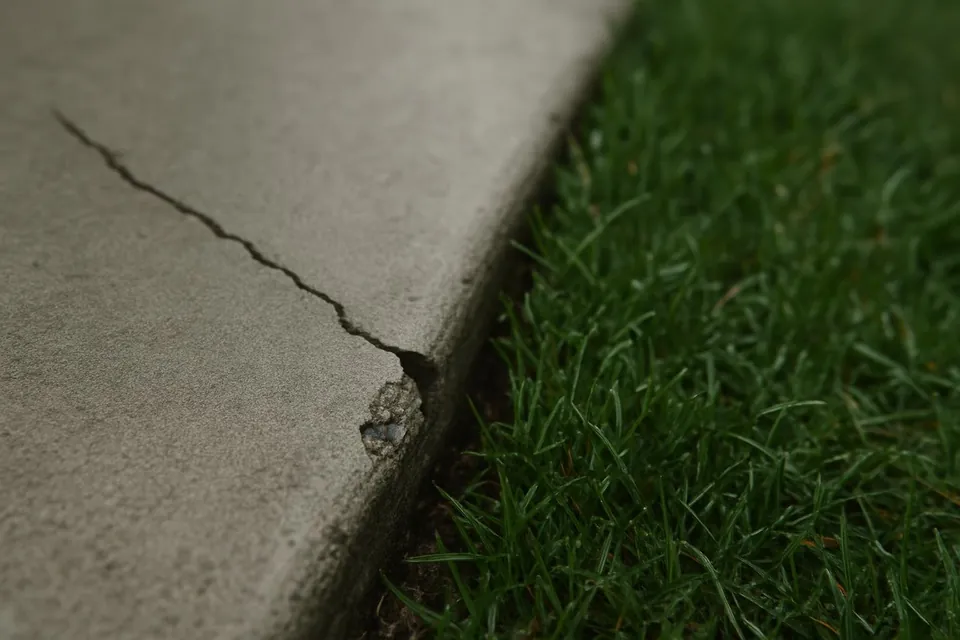
Cracks that branch like a map
Fine webs on the surface can be cosmetic. Wide cracks that run straight across the drive deserve a closer look.
A drive that holds water
Puddles that stay long after rain mean the slope is wrong or a section has settled.
A tenant's drive that nobody fixes
If you rent, the owner decides. Show the landlord photos and ask for the repair in writing.
Questions
Before you book driveway repair work in Clay
- 1
Why do some Clay driveways scale after one winter?
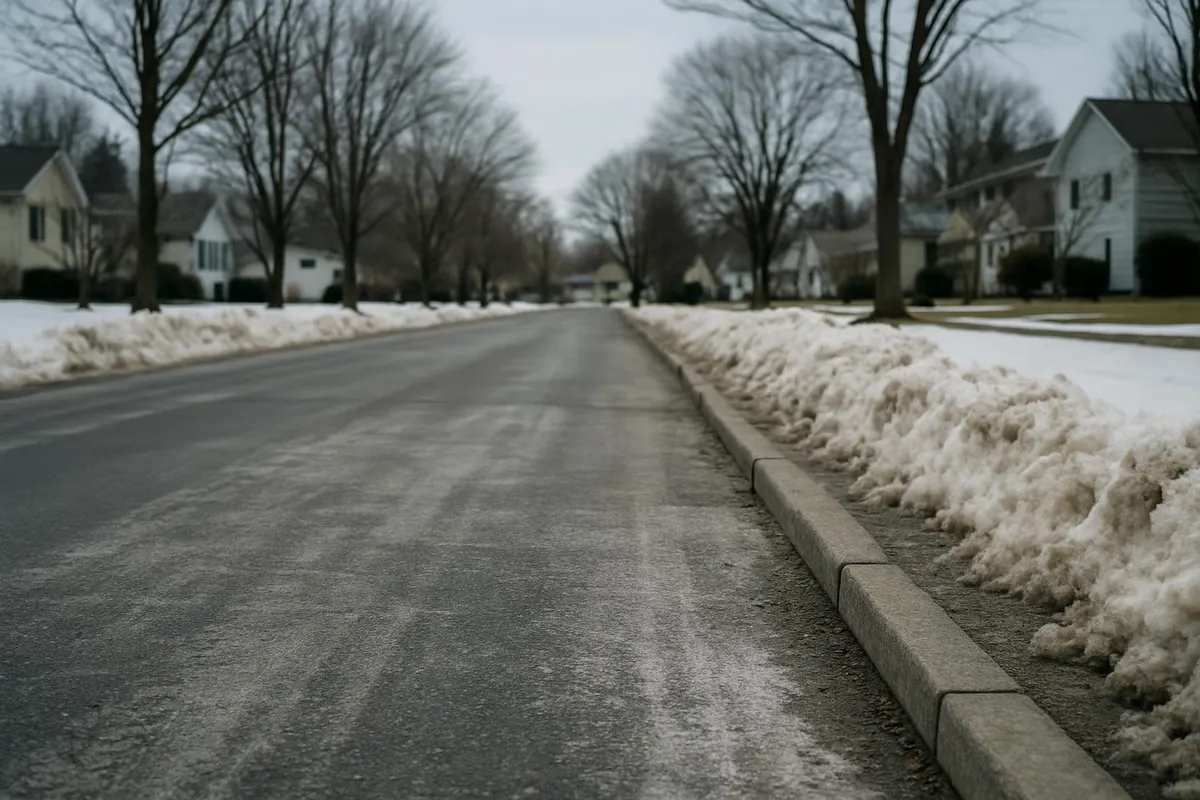
Causes include too little entrained air, a weak or wet mix, heavy de-icer on young concrete and poor finishing. Ask the contractor about each before the pour, not after.
- 2
Can I add water to make concrete easier to place?
Added water weakens the surface mortar. Standard advice is a 3 to 5 inch slump with no extra water added at the jobsite. Ask your contractor to agree to that in writing.
- 3
Does the town need to approve a Clay driveway replacement?
The town has a driveway permit form that two departments sign. Ask Planning and Codes whether your job needs it, and have the contractor's written proposal ready.
Ask about your slab
Start your Clay slab job
Send the details once. Nothing is booked and you owe nothing for asking.
We help you work out whose concrete it is and what to ask for, then introduce you to an independent Syracuse-area contractor to quote it.
Put it in writing before anyone pours
Seven questions for any contractor, any slab. Copy them into your messages and keep the answers with your contract.
- Air-entrained mix, with the air content namedThe mix decides whether the surface flakes again in a few winters.
- The pour date, and a plan if it turns coldCold nights after the pour count, even when the pour day is mild.
- How the slab is cured and coveredCuring and cold protection run for different lengths of time.
- No de-icer on the new slab this winterClean sand gives traction without feeding the scaling.
- Whose road it is, and who pulls the permitWork in a county road right of way needs a county permit first.
- A signed written contract before work startsNew York asks for a written contract on home improvement jobs over $500.
- What is removed, what is poured, what is leftA clear scope stops arguments about patching versus replacing.
$100 off your first job
Your $100 comes off once your first concrete job is booked.
- The credit comes from us, not out of the contractor's price.
- One credit per customer, per property.
- Your job needs to be booked by December 31, 2026.
- Mention the $100 when you book the work.
The straight-answer slab promise
- No charge to ask, and no obligation once you have.
- If the city or the road owner should fix it, we say so.
- We ask about the mix and the pour month up front.
- Your $100 is applied the way our Terms spell out.
Your contract is with the contractor, who answers to you for the work.
Concrete Repair Syracuse, (315) 640-3590
Why a few gallons of jobsite water can ruin a new Clay driveway
Ask for a slump of 3 to 5 inches, the usual range for most slabs, as the concrete leaves the plant. Crews sometimes add water at the site to make concrete easier to spread. That weakens the surface mortar, which is exactly the layer that salt and freezing attack first.
Book first, then the $100 comes off.
Ask the contractor to commit to no water added at the site. Ask what slump they will order and how they will finish and cure the surface. If a driveway scaled within a few winters of its last pour, this is the first place to look.
Ask too how the surface will be finished and how long it will be cured. Early troweling while bleed water sits on top is a common reason a young surface peels, and a broom finish is adequate for most outdoor slabs.
Basis: NRMCA U.S. Census Bureau
Your own street is the best test sample
Clay's median home went up in 1978, so plenty of driveways here are decades old. Walk your block and compare. A drive with a smooth surface after decades beats a drive that flaked in five winters, and you can ask the owner who poured it.
Want the paperwork checklist?
Then ask the contractor how they would handle your slab differently. A patch can suit a driveway that is sound except for a worn surface. If cracks keep opening or the base has moved, replacement may be the more honest answer.
Bring photos of the worst spots and the year of the last repair, if you know it. A contractor who sees the history can tell a surface problem from a base problem much faster.
Basis: U.S. Census Bureau Town of Clay
What goes on paper before a Clay driveway job starts
The town's driveway permit form asks for the contractor's proposal, so the proposal has to exist before the paperwork does. Ask for a written scope that names the area, the thickness, the mix, the finish and the cleanup. Ask when the pour is planned and what protects it that first winter.
If your driveway touches the road, ask the town whether the apron needs its own approval. For the drive itself, tell the contractor what the town said and ask them to write it into the proposal.
Check that the proposal says who removes the old concrete, what goes under the new slab and how the joints will be cut. Gaps in the paper become gaps in the pour. Keep your copy until the job is finished and the credit is applied.
Basis: NRMCA
Know whose job it is before you book.
Same address
What else your Clay lot may need
Settle the owner, the mix and the pour month first.