Clay step, walk and patio
Clay front steps crumbling? Ask how the new ones will be cured in the cold
Your Clay front steps are chipping or your walk is lifting, and a late fix can freeze before it hardens. Ask the contractor how new concrete will be kept from one hard frost.
Clay steps or walks you book carry $100 off your first job, subtracted once the booking is in.
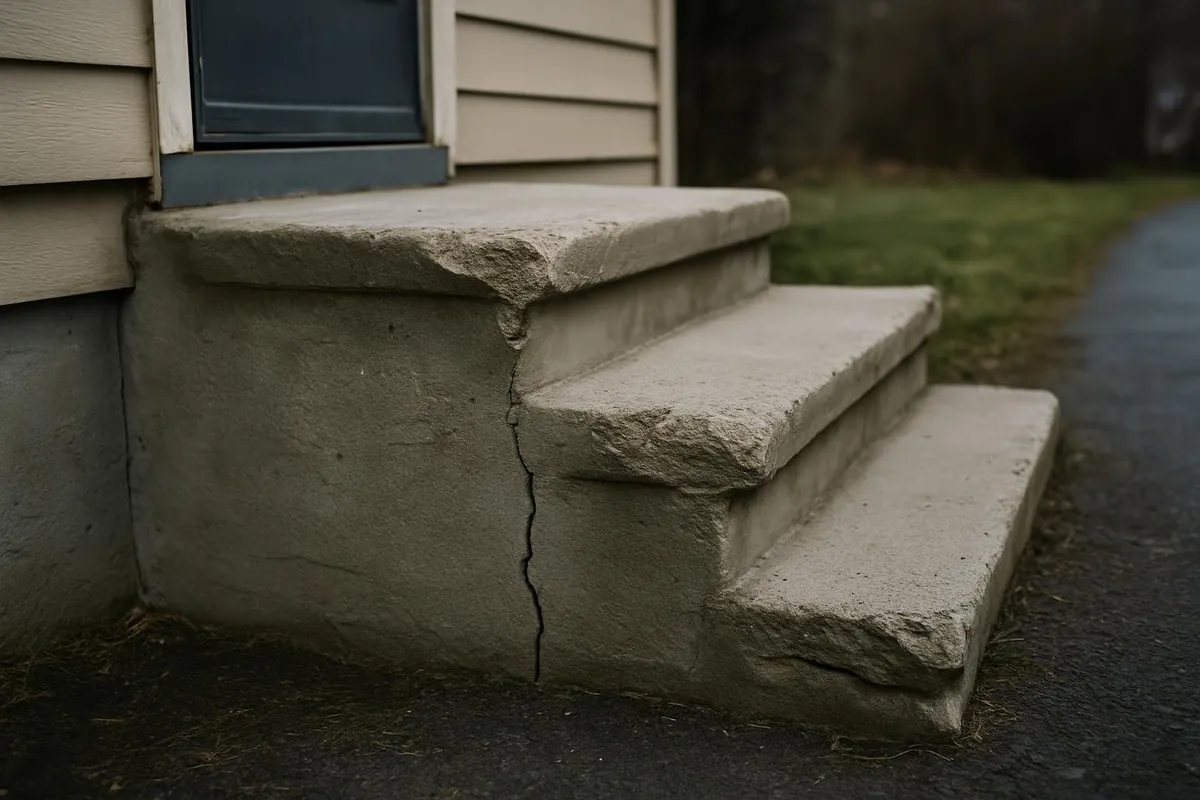
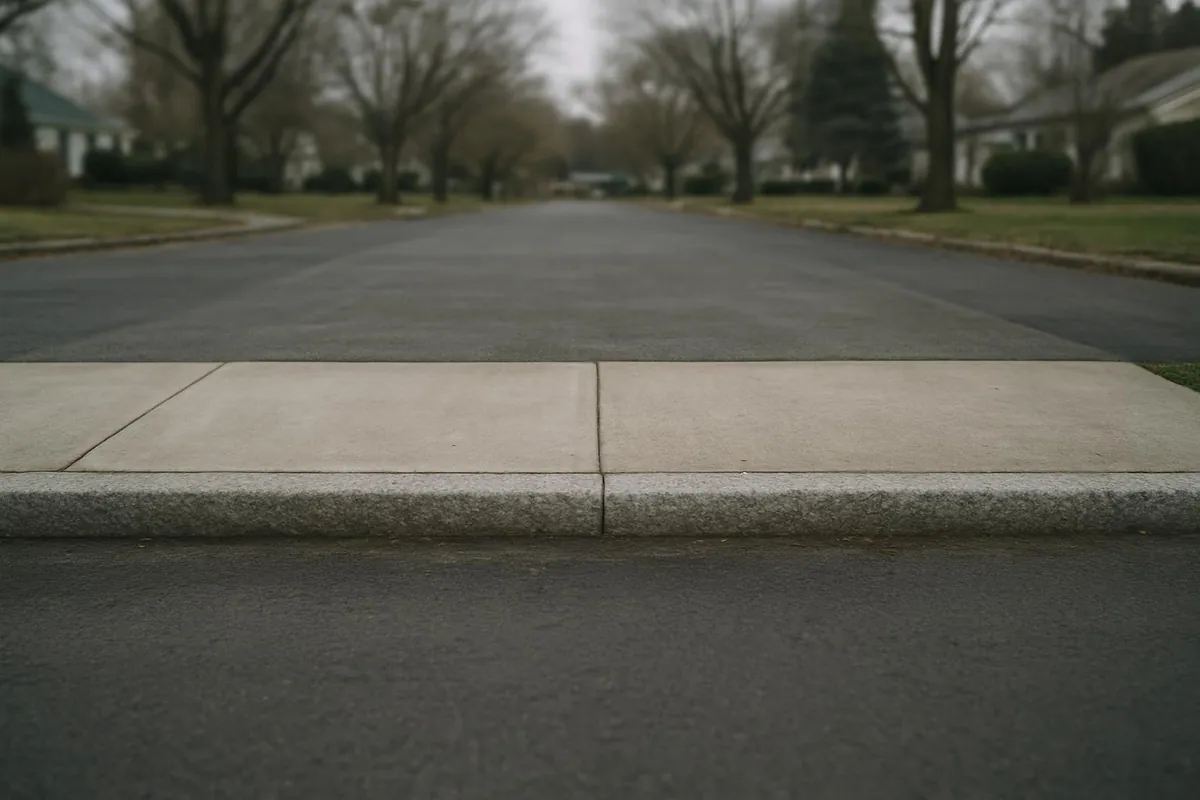
From the house to the street
- Garage floorYours
- Steps and walksYours
- DrivewayYours
- ApronYours, with a permit
- Public sidewalkAsk the town
- StreetRoad owner
This fits when
What puts step, walk and patio work on your list in Clay
Crumbling nosing on each tread
The front edge of a step takes the most wear. Pieces break off and leave sharp, uneven corners.
A landing that rocks
A slab at the door that moves underfoot has lost support. It needs a different fix than a surface chip.
A walk with a raised joint
A lip where two panels meet is a trip hazard, and a sign one panel is moving.
A patio that sheds flakes
Flaking near the house door often means salt carried in on boots.
Questions
Before you book step, walk and patio work in Clay
- 1
Can new steps in Clay be damaged by one frost?
Yes. Until concrete reaches about 500 psi it is still wet enough that a single freeze can hurt it. Ask how your steps will be protected for the first few days.
- 2
Should new concrete be watered in cold weather?
Cold-weather guidance cautions against water curing when it is cold. Ask the contractor what curing method they use and why it suits the month of your pour.
- 3
Who is responsible for the walk at my Clay house?
No published sidewalk rule for Clay is on record. Ask the town which concrete is yours, and tell your contractor the answer before they price.
Ask about your slab
Send us your Clay address
Send the details once. Nothing is booked and you owe nothing for asking.
We help you work out whose concrete it is and what to ask for, then introduce you to an independent Syracuse-area contractor to quote it.
Put it in writing before anyone pours
Seven questions for any contractor, any slab. Copy them into your messages and keep the answers with your contract.
- Air-entrained mix, with the air content namedThe mix decides whether the surface flakes again in a few winters.
- The pour date, and a plan if it turns coldCold nights after the pour count, even when the pour day is mild.
- How the slab is cured and coveredCuring and cold protection run for different lengths of time.
- No de-icer on the new slab this winterClean sand gives traction without feeding the scaling.
- Whose road it is, and who pulls the permitWork in a county road right of way needs a county permit first.
- A signed written contract before work startsNew York asks for a written contract on home improvement jobs over $500.
- What is removed, what is poured, what is leftA clear scope stops arguments about patching versus replacing.
$100 off your first job
Your $100 comes off once your first concrete job is booked.
- The credit comes from us, not out of the contractor's price.
- One credit per customer, per property.
- Your job needs to be booked by December 31, 2026.
- Mention the $100 when you book the work.
The straight-answer slab promise
- No charge to ask, and no obligation once you have.
- If the city or the road owner should fix it, we say so.
- We ask about the mix and the pour month up front.
- Your $100 is applied the way our Terms spell out.
Your contract is with the contractor, who answers to you for the work.
Concrete Repair Syracuse, (315) 640-3590
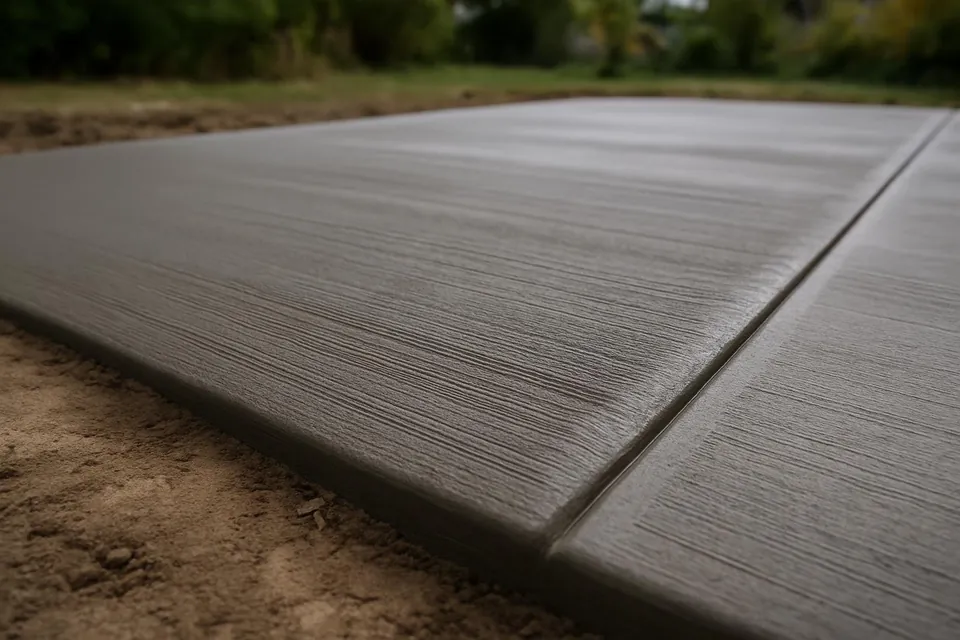
One freeze can hurt a step before it has set
New concrete is wet enough to be damaged by a single freeze until it reaches about 500 psi. Cold-weather guidance also cautions against water curing when it is cold, because the water itself can freeze on the surface. Steps and narrow walks are thin and exposed, so they lose heat quickly.
Ask who decides before you book.
Ask the contractor how the pour will be covered, how long it stays covered and what happens if the forecast turns. If the answers are loose and it is late in the year, ask whether to wait for spring.
Keep rock salt off the new concrete for its first winter. Clean sand gives grip without the chemistry that damages a young surface.
Fixing steps on a 1978-era house
The typical Clay home was built around 1978, so many steps and walks are four decades or more into service, but few are truly old. If yours failed early, the questions are about the mix, the finish and the salt. Ask the contractor to look at whether the damage is on the surface or in the whole slab.
A chipped nosing may be repairable. A step that has sunk away from the house usually needs the support under it looked at first. Tell the contractor which one you have, with a photo if you can.
If the steps lead to a door you use every day, ask whether the contractor can stage the work so you are not locked out. Ask too about the first-winter plan for the new steps, because you will be shoveling them soon after.
Put the mix in writing.
Also ask how deep the footing goes and whether it ties into the house wall or stands apart.
Basis: U.S. Census Bureau NRMCA
Public walk or your own walk? Ask the town
No published sidewalk rule for Clay is on record, so do not assume. A walk that runs along the road may belong to a different owner than the path to your door. Call the town and ask which stretch of concrete is yours to maintain.
Then ask the contractor to price only the part that is yours. If you rent, the owner decides what gets repaired, so ask in writing.
Photograph the walk from the road to your door and mark where your lot begins. The picture saves a long phone call and helps the contractor draw the scope in the contract.
Get the scope on paper first.
Same address
Four more slabs a Clay property may have
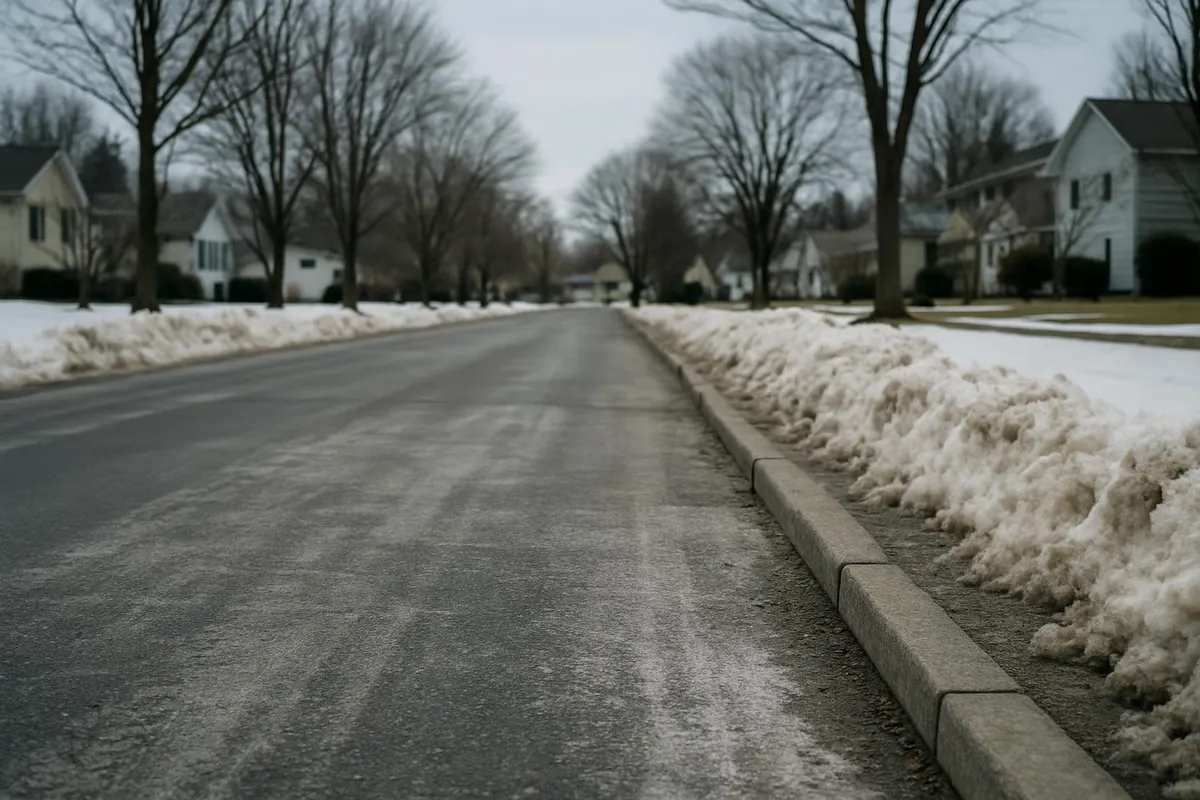
Settle the owner, the mix and the pour month first.