Clay garage floor
Garage slab dusting or flaking in Clay? Ask for the mix numbers in writing
Your Clay garage floor is dusting, flaking or cracking and you want to know if it can be fixed or must be poured again. Ask the contractor for the strength and the water to cement ratio they plan to use.
Garage floor work booked in Clay through us gets $100 off your first job, one credit per property.
From the house to the street
- Garage floorYours
- Steps and walksYours
- DrivewayYours
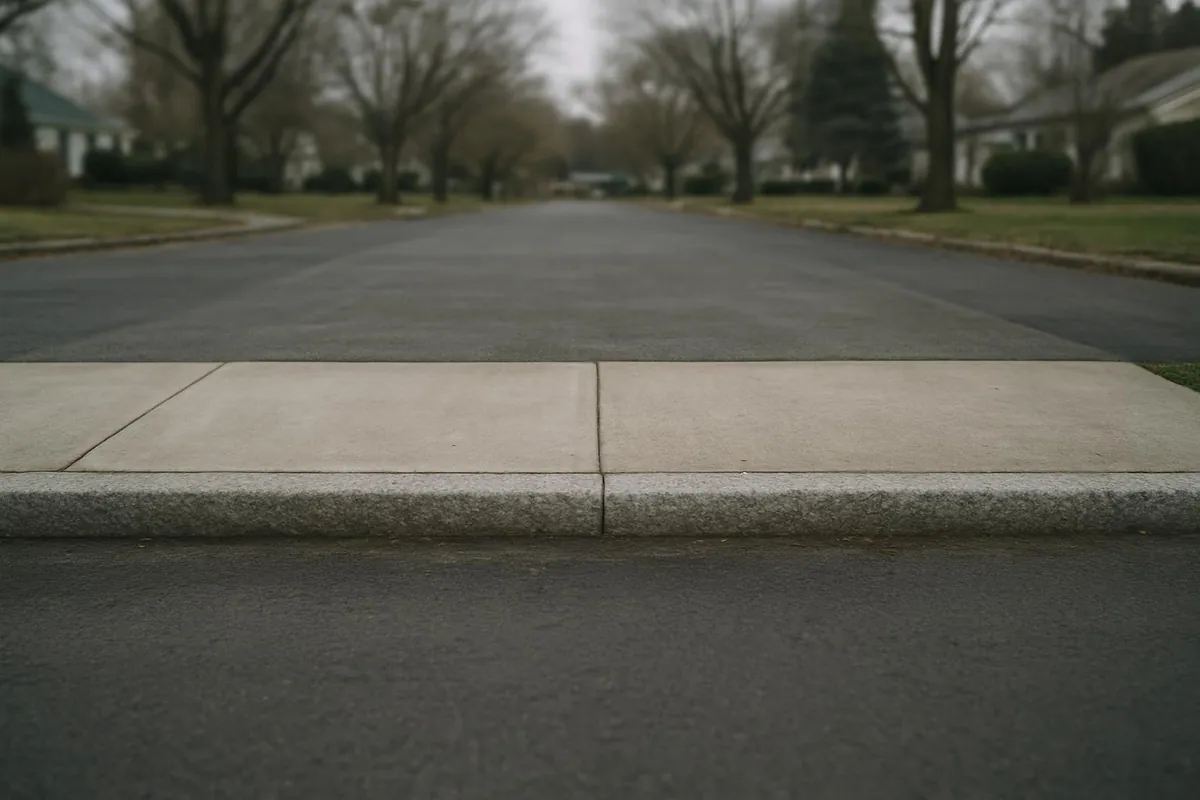
- ApronYours, with a permit
- Public sidewalkAsk the town
- StreetRoad owner
This fits when
Signs it is time for garage floor work
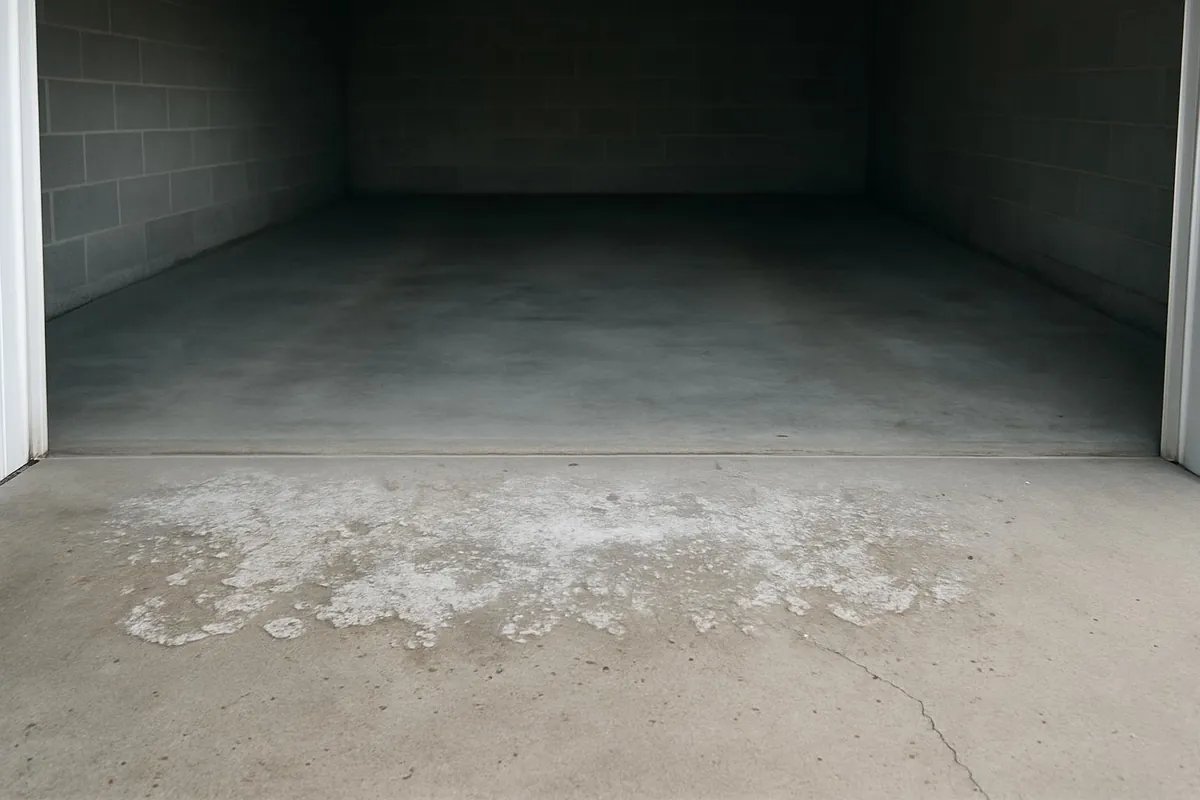
Fine dust on the floor
A powdery film that rubs off on shoes or tires means the surface is soft or was worked too early.
Flakes near the car's parking spot
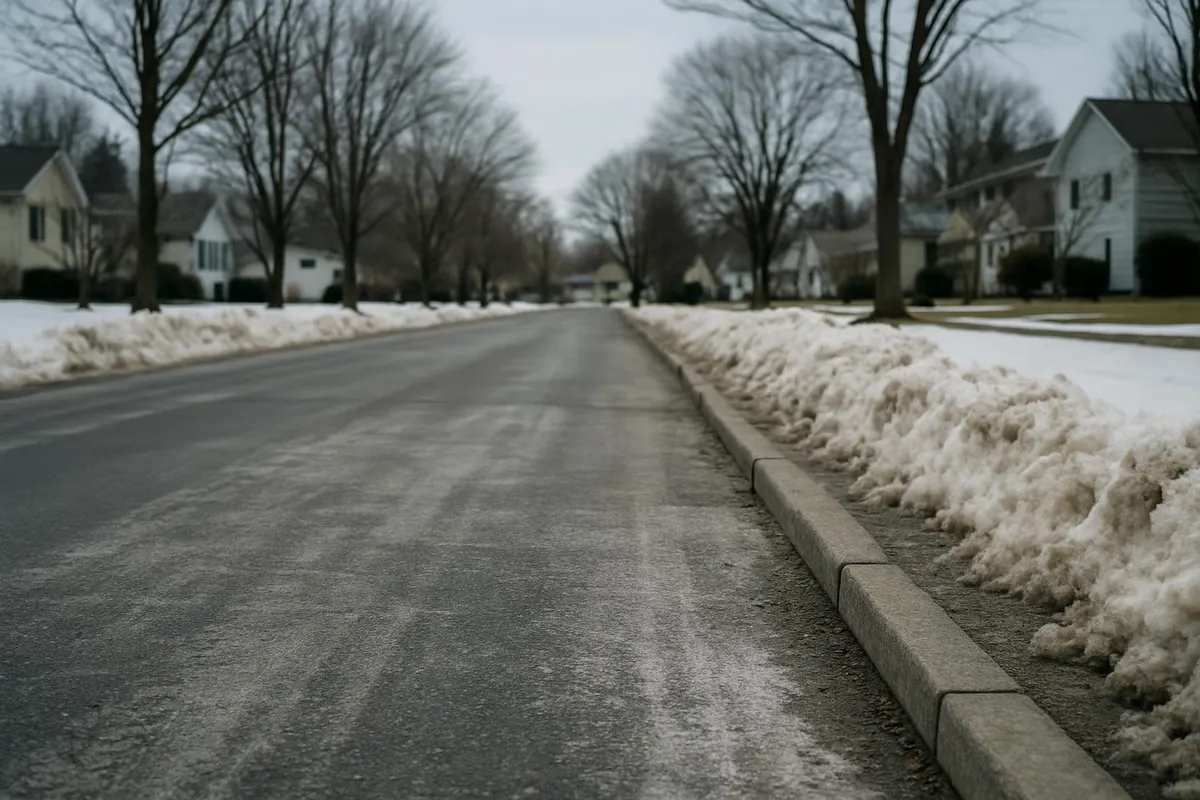
Meltwater and salt slush gather where the car sits.
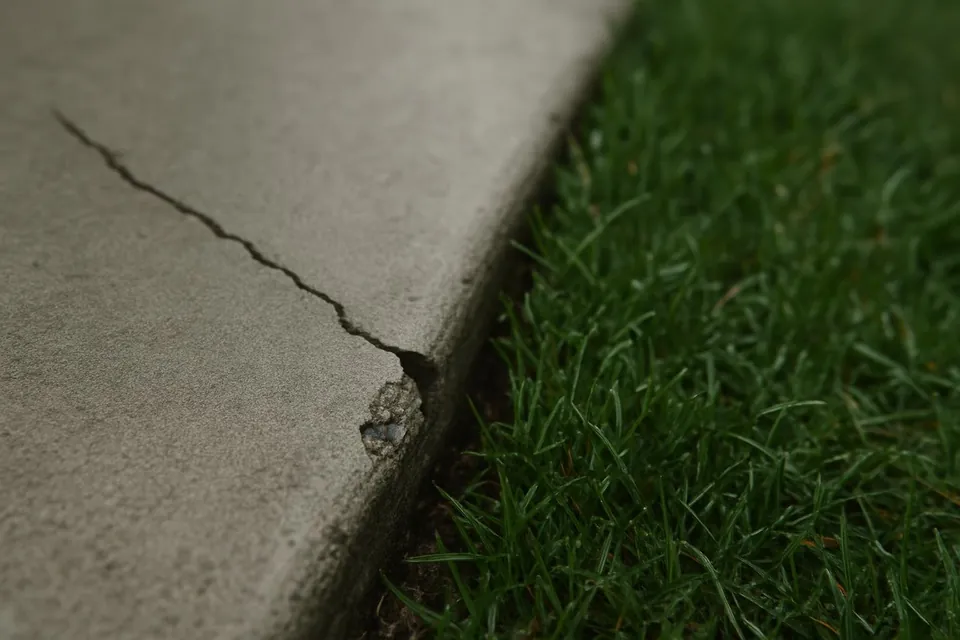
Cracks across a long floor
Long cracks may follow a joint or settled soil. Joints cut at the wrong spacing can invite them.
A floor that tilts away from the drain
Standing water in a corner keeps salt solution on the slab.
Questions
Garage floor questions from Clay homeowners
- 1
Why is my Clay garage floor dusty?
Dusting often comes from a weak or wet mix, or from finishing too early. Ask the contractor to test the floor and to say what they think caused it.
- 2
What strength should a garage floor in Clay be?
Ask for the strength and water to cement ratio in writing. The strictest ACI 318 class uses 0.45 and 4,500 psi, though that standard is for structures, not homes.
- 3
Can a garage floor be ground and resurfaced?
Sometimes. The weak surface has to come off first, and heavy, spreading damage may mean replacement. Ask the contractor to explain which applies to your floor.
Ask about your slab
Send us your Clay address
Send the details once. Nothing is booked and you owe nothing for asking.
We help you work out whose concrete it is and what to ask for, then introduce you to an independent Syracuse-area contractor to quote it.
Put it in writing before anyone pours
Seven questions for any contractor, any slab. Copy them into your messages and keep the answers with your contract.
- Air-entrained mix, with the air content namedThe mix decides whether the surface flakes again in a few winters.
- The pour date, and a plan if it turns coldCold nights after the pour count, even when the pour day is mild.
- How the slab is cured and coveredCuring and cold protection run for different lengths of time.
- No de-icer on the new slab this winterClean sand gives traction without feeding the scaling.
- Whose road it is, and who pulls the permitWork in a county road right of way needs a county permit first.
- A signed written contract before work startsNew York asks for a written contract on home improvement jobs over $500.
- What is removed, what is poured, what is leftA clear scope stops arguments about patching versus replacing.
$100 off your first job
Your $100 comes off once your first concrete job is booked.
- The credit comes from us, not out of the contractor's price.
- One credit per customer, per property.
- Your job needs to be booked by December 31, 2026.
- Mention the $100 when you book the work.
The straight-answer slab promise
- No charge to ask, and no obligation once you have.
- If the city or the road owner should fix it, we say so.
- We ask about the mix and the pour month up front.
- Your $100 is applied the way our Terms spell out.
Your contract is with the contractor, who answers to you for the work.
Concrete Repair Syracuse, (315) 640-3590
A yardstick from the toughest freeze class
ACI 318, the building concrete standard, caps the water to cement ratio at 0.45 and asks for at least 4,500 psi in its most severe freeze-thaw class with no de-icer. That standard is written for structural members, and residential driveways and garage floors are not on its list, so NRMCA points homes to ACI 332.
Tell us the address and the problem.
Still, it gives you a yardstick. Ask the contractor what water to cement ratio and what strength they plan to order for your floor, and ask them to write both down. A contractor who cannot answer has not chosen yet.
Ask also about the age of the slab and the base it sits on. If cracks follow a regular pattern, the joints may have been cut too far apart, and a joint layout is part of any proper replacement.
Basis: NRMCA
Ask who decides before you book.
What a 1978-era garage slab tells you
About 55 percent of Clay homes were built before 1980, so many garages carry slabs that are decades old. Ask when the floor was poured and whether it was ever coated or patched. A coating can mask dusting for a season and then peel.
Most of the town's occupied homes are owner occupied, so the repair choice is usually yours. If you rent, ask the landlord for a decision and a written plan.
Tell the contractor about anything stored on the floor, such as a lift, a workbench or a heavy tool chest, so the plan reflects the loads it carries.
Look under any mats or shelving for damp spots or salt crust. Moisture rising or standing on the floor speeds the surface damage and belongs in the conversation.
Basis: U.S. Census Bureau
Resurface, replace or live with it
Light dusting on a sound floor can sometimes be hardened or resurfaced. A floor that is cracked through, soft or hollow underneath is a replacement question. Slabs with heavy, spreading damage may not be repairable.
Tell the contractor how you use the garage and how often the car comes in wet. Ask for both options priced, and ask what would change their answer.
Get any option you choose written down with the mix, the finish and the first-winter care. Mention the garage door threshold, since the new floor has to meet it cleanly.
Ask how the joints will be laid out and how the edges will be finished, since cracks usually start there.
Basis: NRMCA
Know whose job it is before you book.
Same address
More concrete work for a Clay house
Close by
Garage floor work in nearby towns
Know whose slab it is, then pick the month.