Solvay driveway apron
Solvay Driveway Apron at the Street: Whose Road Is It?
Your driveway apron in Solvay is cracked or sunken where it meets the street, and the first thing to settle is who owns that street. Nearly every road in the village is a village street, so the village is where you begin.
Booking apron work in the village? That brings $100 off your first job, paid as a credit by us.
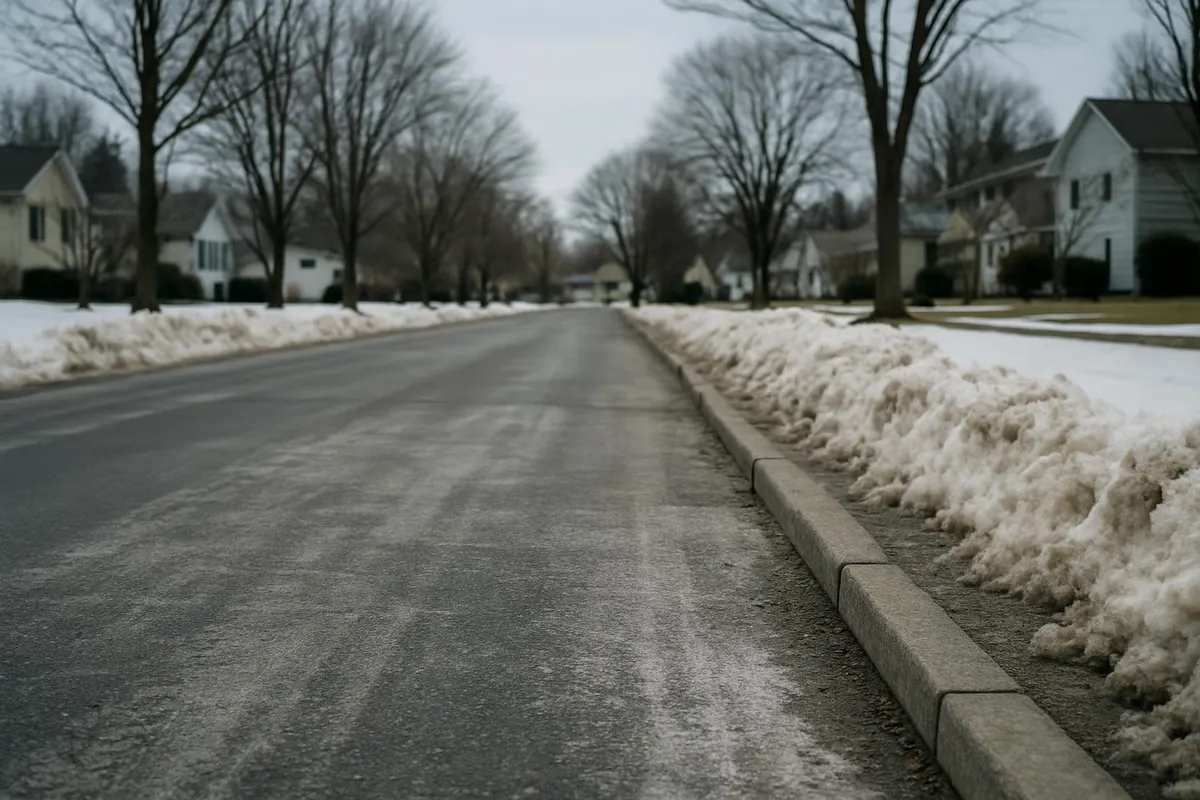
From the house to the street
- Garage floorYours
- Steps and walksYours
- DrivewayYours
- ApronYours, with a permit
- Public sidewalkAsk the village
- StreetRoad owner
This fits when
When driveway apron work in Solvay is next
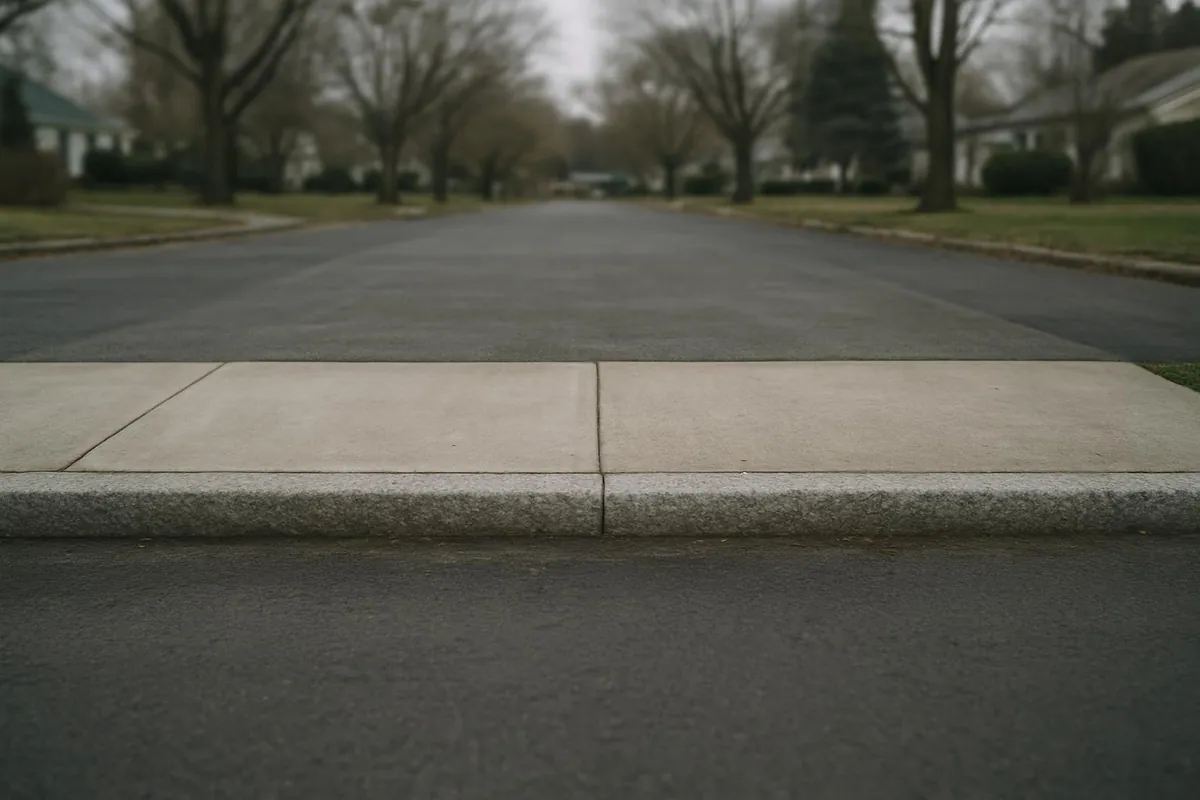
The edge at the gutter is broken
Plows and slush hit the lowest edge first. If chunks are missing there, photograph the gutter, the curb and the pavement together so the damage shows in context.
The apron has dropped below the street
A step down from the road to your drive jars cars and holds water. Note whether it has dropped a little or a lot, and whether it has changed since fall.
Water flows toward the garage
If the slope has reversed, melt water runs to your door instead of the street. Mention it when you describe the work, because it changes the job.
You want a wider mouth for a second car
Changing the width changes who must approve it. Ask the village office before you plan the job around a wider apron.
Questions
Before you book driveway apron work in Solvay
- 1
Does the county need to approve a driveway apron in Solvay?
The 2017 report lists no county road inside the village. Confirm with the village which type of street you are on before assuming any county permit.
- 2
Who should I call before replacing my apron?
Call the Solvay code office with your address and describe the work. If you front a state route, the state is also a call to make.
- 3
How long should a new apron stay closed to cars?
That is for your contractor to say. The cold-weather table lists 6 days for exposed concrete under partial load, so ask for the plan and get it in writing.
Ask about your slab
Send us your Solvay address
Send the details once. Nothing is booked and you owe nothing for asking.
We help you work out whose concrete it is and what to ask for, then introduce you to an independent Syracuse-area contractor to quote it.
Put it in writing before anyone pours
Seven questions for any contractor, any slab. Copy them into your messages and keep the answers with your contract.
- Air-entrained mix, with the air content namedThe mix decides whether the surface flakes again in a few winters.
- The pour date, and a plan if it turns coldCold nights after the pour count, even when the pour day is mild.
- How the slab is cured and coveredCuring and cold protection run for different lengths of time.
- No de-icer on the new slab this winterClean sand gives traction without feeding the scaling.
- Whose road it is, and who pulls the permitWork in a county road right of way needs a county permit first.
- A signed written contract before work startsNew York asks for a written contract on home improvement jobs over $500.
- What is removed, what is poured, what is leftA clear scope stops arguments about patching versus replacing.
$100 off your first job
Your $100 comes off once your first concrete job is booked.
- The credit comes from us, not out of the contractor's price.
- One credit per customer, per property.
- Your job needs to be booked by December 31, 2026.
- Mention the $100 when you book the work.
The straight-answer slab promise
- No charge to ask, and no obligation once you have.
- If the city or the road owner should fix it, we say so.
- We ask about the mix and the pour month up front.
- Your $100 is applied the way our Terms spell out.
Your contract is with the contractor, who answers to you for the work.
Concrete Repair Syracuse, (315) 640-3590
Which street are you on
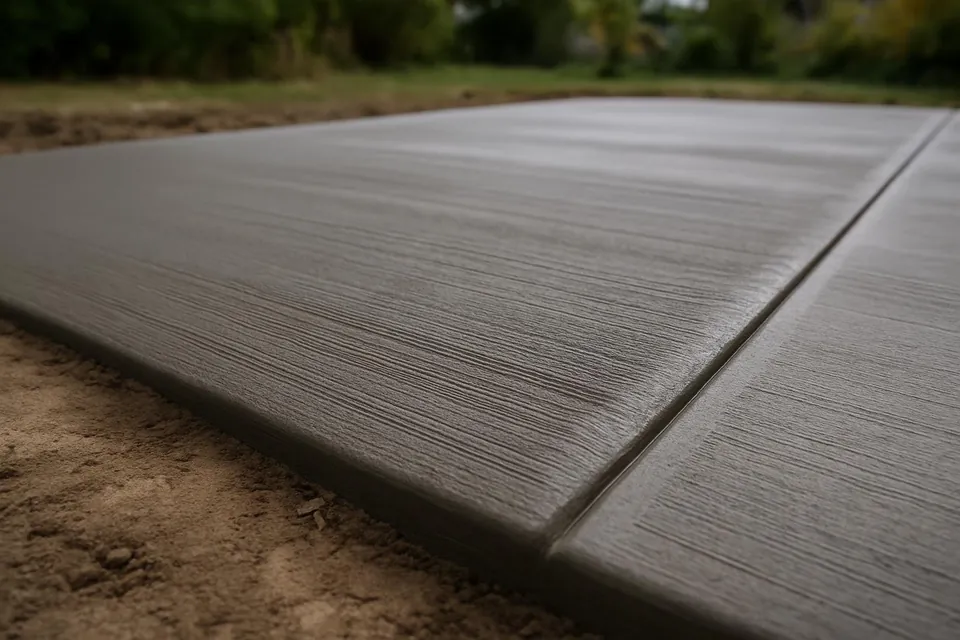
NYSDOT's 2017 report puts 25.0 miles of public road in Solvay. Of those, 24.3 miles are village streets, 0.7 miles are state road, and none are county. So the village rules on aprons along most streets, and the state rules along the few state routes.
Ask the village which kind of street fronts your lot, and ask for the answer by email if the office will give it that way.
What we could not confirm, and who can
We found no published Solvay rule on curb cuts or aprons, so we will not say one exists. The village code office is the sensible first call for a street-side concrete job.
Give it the address. Say whether you are replacing in the same footprint or changing the width, and ask whether a permit or an inspection applies. Write down the date, the name and the answer, because a contractor will ask you for them.
Send us the slab details.
If the office points you to the state, that is a different department with its own process. Do not let anyone schedule a pour until you know which door you are knocking on.
A street-end pour has no roof over it
The cold-weather standard treats exposed concrete as needing protection for days after the pour. For a slab that carries no load, the table gives 3 days. For one under partial load, which fits an apron that cars cross, it gives 6.
Start with the street and the slab.
Ask the contractor how long the apron will be closed to cars, how it will be covered on cold nights, and what month the work is booked for. Put those three answers in the contract.
Salt is the other thing a new apron has to survive. Plows and tires will bring it whether you spread any or not. Hold off on chemical de-icers until the first winter has passed, use clean sand for grip, and hose off the residue cars leave behind when the weather allows.
Basis: American Concrete Institute
Send the address and the problem.
Same address
Four more slabs a Solvay property may have
Close by
The same job next door
Get it in writing before anyone pours.